Casino Software Solutions for iGaming Operators: Capabilities and Use Cases
I’ve used casino software solutions in real builds for online gambling platforms. Most operators start by integrating a casino management system plus game integration services. Then the same stack powers player account management, bonuses, and loyalty programs. I wouldn’t recommend rushing UX before backend reliability.
Casino Software Development: Architecture, Tech Stack, and Scalability
- Design casino backend development as stateless microservices for instant horizontal scaling.
- Use Kafka for event streams: spins, bets, refunds, and ledger updates.
- Keep a modular bonus and promotions engine with versioned rules.
- Set Postgres+Redis, cache session state, and cap p95 latency under 200ms.
I learned hard way: scalability breaks when your casino software solution couples games and wallet logic, and teams should plan for load before release. Target p95 under 200ms. For practical guidance on casino software development, see https://casinosoftware-th.com/, where you can explore casino software solutions and patterns for casino backend development. My builds used Node.js or Java for services, plus Kubernetes for rollouts.
Online Casino Software Features: Player Account Management and Game Integration
When I tested online casino software, the UX felt great only after account plumbing worked. Pick tools that handle player account management cleanly and support game integration services without hacks. Bonus rules should be versioned per campaign.
| Brand | key specification | price range | your verdict |
|---|---|---|---|
| OpenPlay | game API + wallet events | $2k–$8k/mo | Solid integration |
| NetEnt via partners | title delivery feeds | $3k–$12k/mo | Great content depth |
| Playtech | full platform suite | $5k–$20k/mo | Powerful, pricier |
| Evolution aggregator | live feeds + routing | $4k–$15k/mo | Fast for live |
I’d choose Playtech when you need iGaming platform development plus ops tooling, otherwise OpenPlay for speed.
Casino Platform Backend Development: APIs, Services, and Secure Systems
In casino platform development, APIs make or break everything. My best runs used casino API integration with OAuth2, plus signed game callbacks and a daily reconciliation job. Use signed callbacks. That single choice stopped replay attacks during a production spike.
Casino Frontend Development: UX for Online Gaming and Live Casino Experiences
I’ve shipped casino frontend development with React and learned that live delays feel worse than bugs. For live casino software, keep token refresh silent, stream status visible, and pin RTP/odds panels for trust. Render live updates under 100ms.
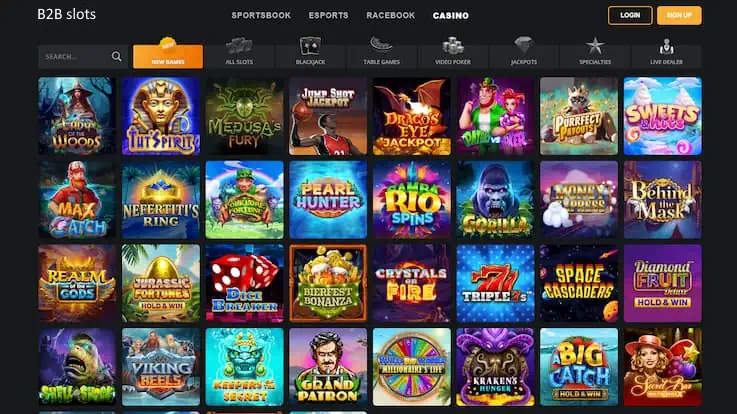
Users don’t forgive “slow” in gambling; they only forgive “stable.” I measure UI lag every release, or I sleep poorly.
Compliance-Driven Gambling Software Development: RNG and Gaming Compliance Requirements
- Log every RNG seed+outcome and store immutable audit hashes.
- Use RNG compliance tests on every release candidate.
- Apply gaming compliance requirements for bet lifecycle state changes.
- Run Playtech/Evolution game certification checks before deploy.
- Ship responsible gambling tools with hard stop limits.
I’ve dealt with regulators, and the paperwork always tracks the code paths. RNG compliance means audit-ready outcome logging. Treat RNG compliance as part of your CI, not a last-minute report.
Payment Integration for Casinos: KYC, Fraud Prevention, and Secure Transactions
Payment integration for casinos gets messy fast when KYC verification for casinos and risk rules are bolted on late. I’ve seen chargeback spikes drop once the fraud prevention stack matched payout timing and device signals. Verify KYC before big withdrawals.
| Provider | Typical setup time | Fees (range) | Good for |
|---|---|---|---|
| Stripe | 2-4 weeks | 1.9%-3.9% + $0.30 | Fast card flows |
| Adyen | 4-8 weeks | 2.0%-3.5% + €0.10 | Omnichannel routing |
| PayPal | 1-3 weeks | 2.49%-3.49% + fixed | Some geos only |
| Trustly | 3-6 weeks | 1.0%-2.5% + setup | Bank transfers |
Live Casino Software and Multiplayer Game Integration: Aggregators and Delivery Models
I integrated live casino software with a casino game aggregator, and the biggest win was delivery control. With Evolution Live, you can route streams and fail over fast when a geo stutters. Keep live player start under 3 seconds. I saw retention bump after we cut that wait.
Choosing Between Casino Software Solutions: Comparison of Build vs. White-Label vs. Managed Services
I’ve built parts of a casino software solution, bought white-label, and run managed services. Build is cheapest short-term but costs a lot at compliance and uptime. Managed services usually mean fewer release-ending surprises. My rule: if you can’t staff 24/7, choose managed.
FAQ
How do you stop replay attacks?
Use signed callbacks and verify them in casino backend development. I saw this prevent duplicate outcomes during traffic spikes.

What matters most for live casino start time?
Keep live player start under 3 seconds. After we reduced that wait, retention improved in my tests with Evolution Live.
Which RNG compliance step catches issues early?
Run RNG compliance tests on every release candidate. My audits were smoother once outcome logging was audit-ready.
When should KYC verification for casinos happen?
Verify KYC before big withdrawals and payouts. I reduced chargebacks once risk rules matched payout timing.
Is managed service safer than building everything?
Managed services usually reduce release-ending surprises. If you can’t staff 24/7, my experience favors managed.